White Paper · Medical AI Series
Decreasing Bias in
Healthcare AI with Segmed
Models learn the data they are given, not the task they are named for.When that data leaves patients out, so does the model.This white paper defines what it takes to build imaging AI that holds up beyond the sites that trained it.
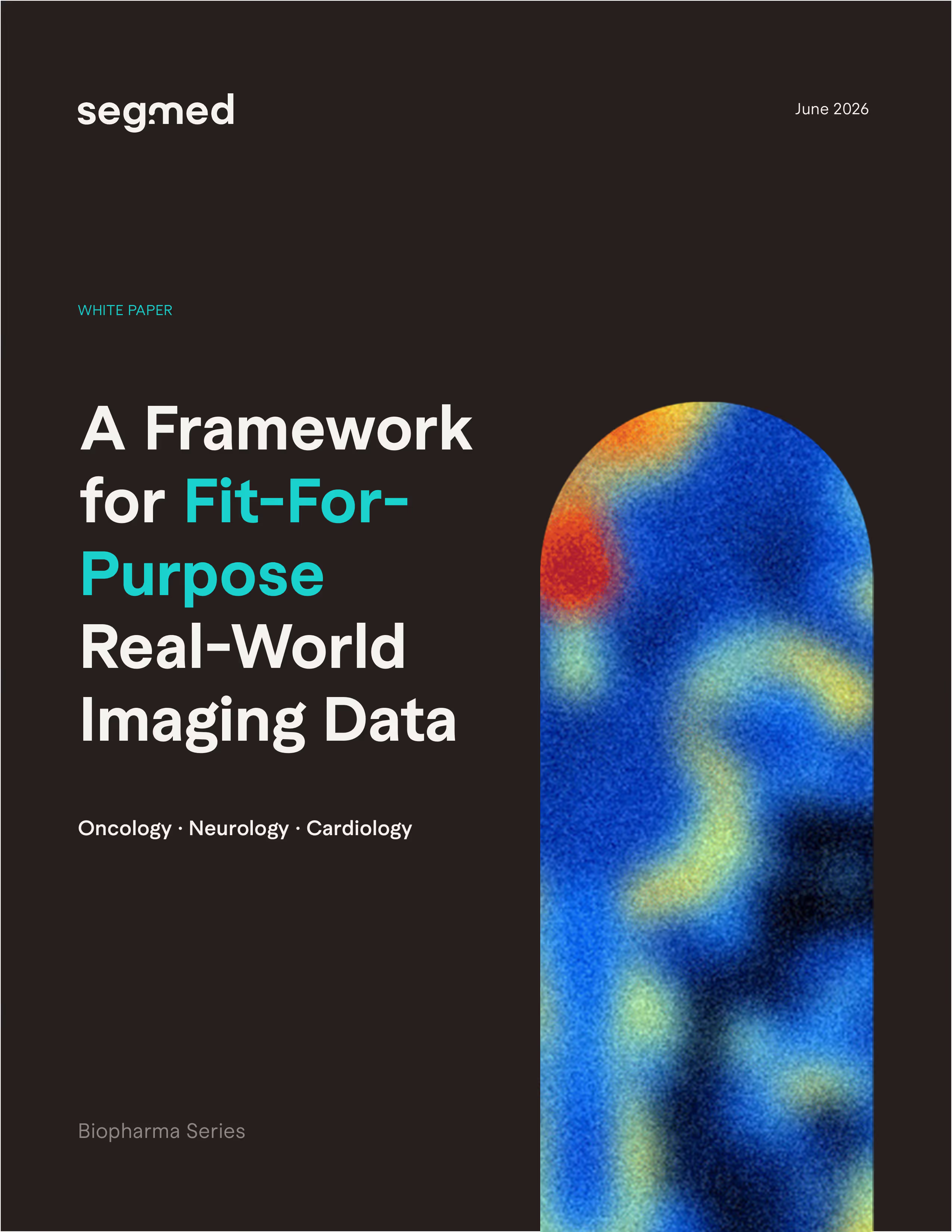
The Imaging Gap in Real-World Evidence
Real-world evidence without the scan is structurally incomplete
The life-sciences industry has invested heavily in claims-based and EHR-based real-world evidence. But claims capture what was billed, not what was biologically observed. For the therapeutic areas where imaging is the evidentiary standard (oncology staging, neurodegenerative biomarker confirmation, cardiac phenotyping) generic datasets leave a structural gap.
This Segmed White Paper defines what fit-for-purpose imaging data actually requires, and where generic approaches fall short.

From Framework to Practice
Segmed delivers the data this framework describes
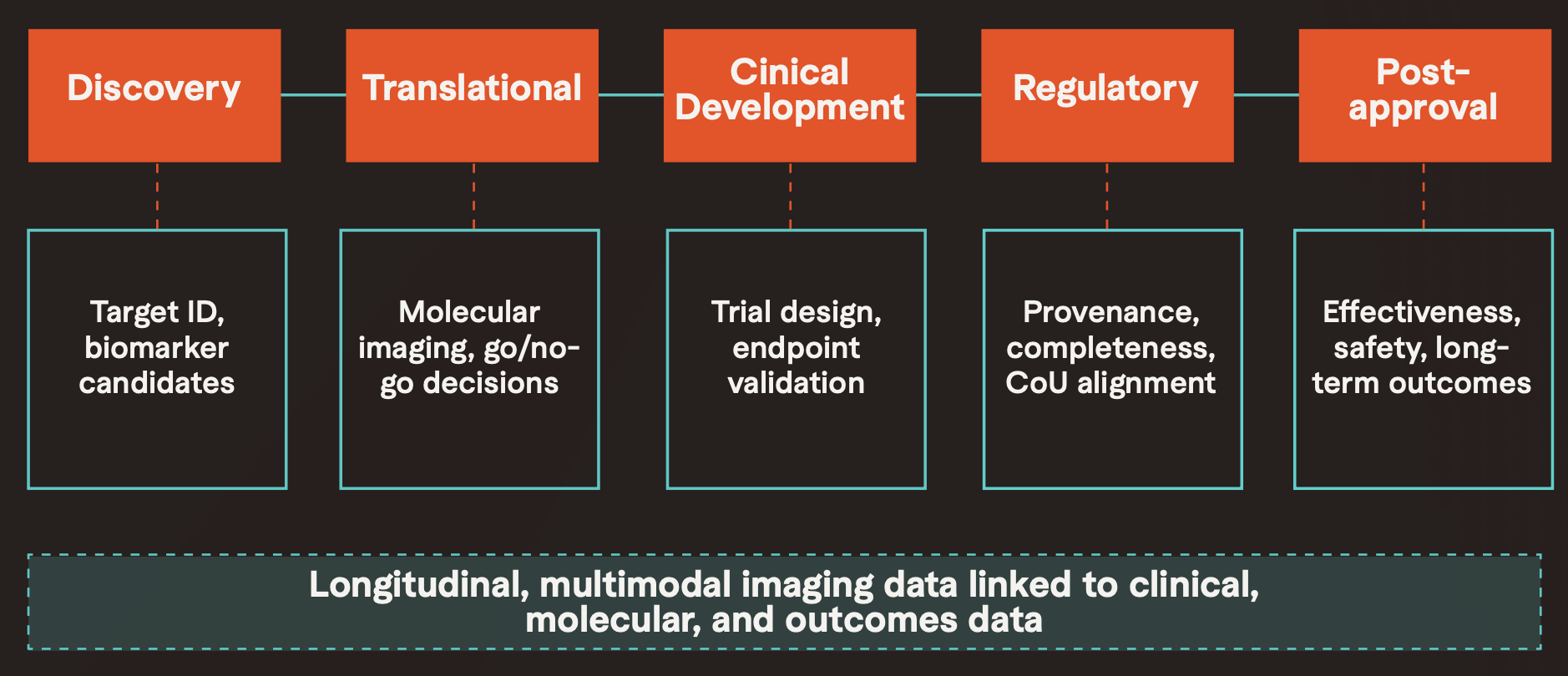
The fit-for-purpose standard defined in this white paper is not hypothetical. Segmed operates the largest network of real-world imaging data in the United States, with pre-built research cohorts engineered for the evidence requirements of oncology, neurology, cardiology, and metabolic disease.
Download
Get the white paper
Decreasing Bias in Healthcare AI with Segmed:
Developing AI that performs in the population it is meant to serve.
Developing AI that performs in the population it is meant to serve.